
Evaluating Industrial Electric Heater Lifecycle Cost for Plant Expansion Projects
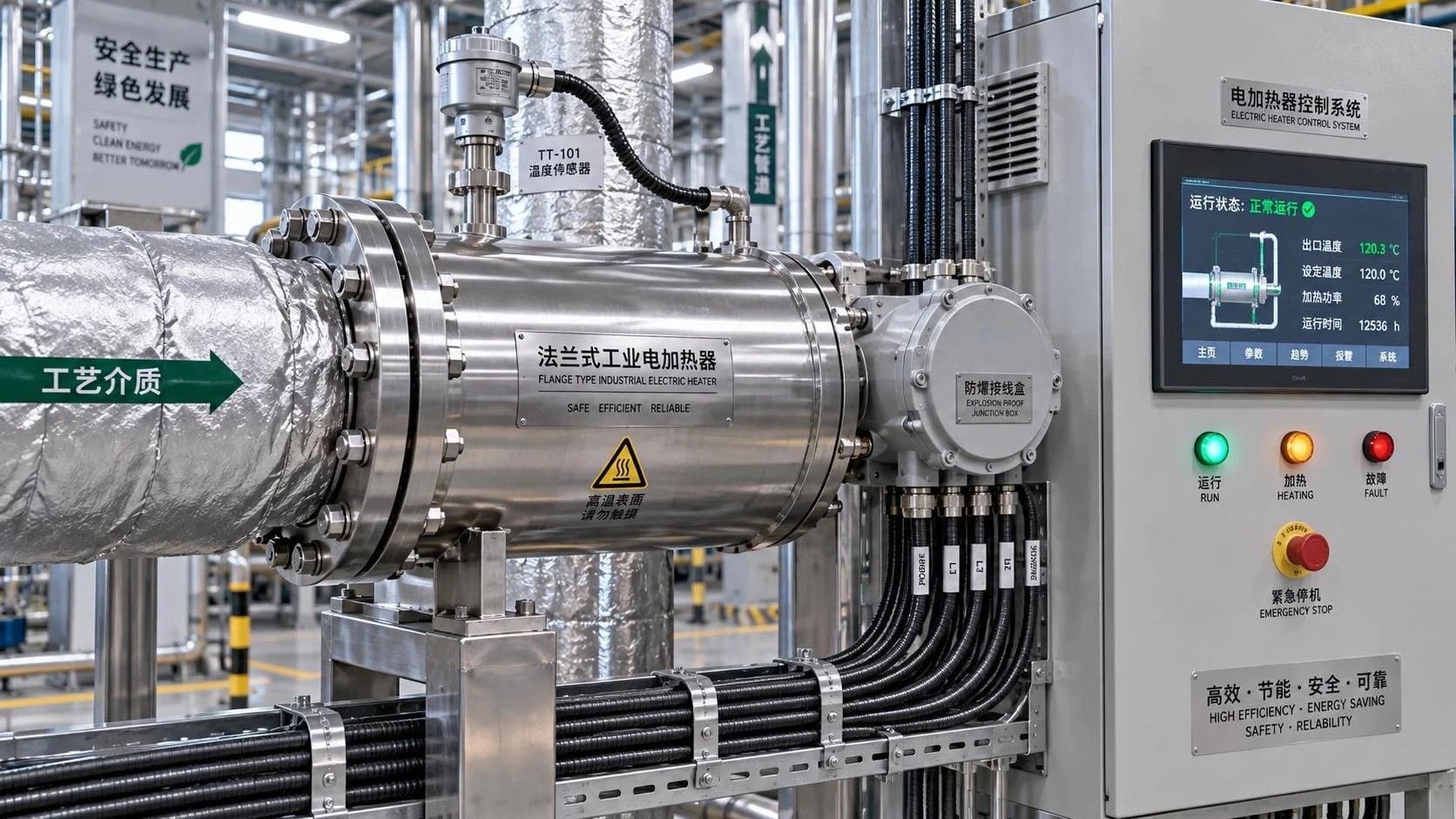
Evaluating Industrial Electric Heater Lifecycle Cost for Plant Expansion Projects
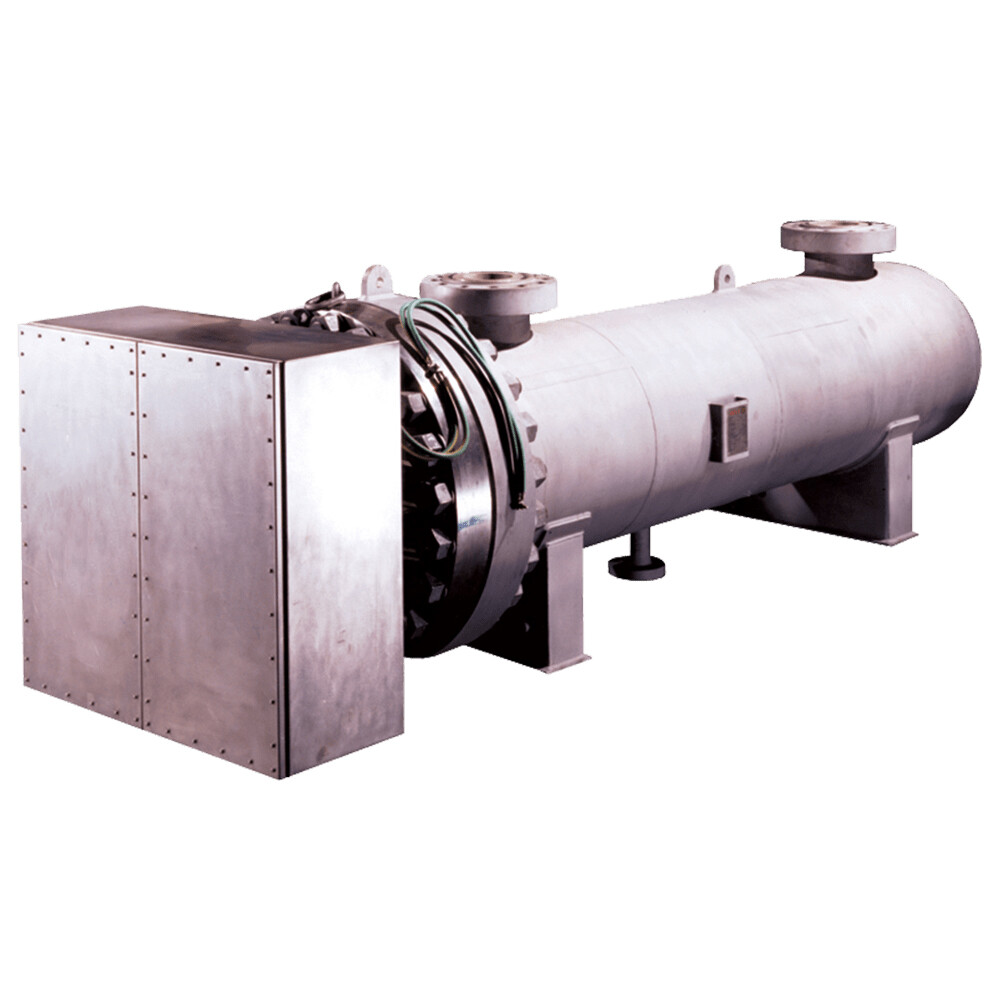
For plant expansion projects, the purchase price of an Industrial Electric Heater is only one part of the investment decision.
Financial approvers must evaluate energy consumption, installation, maintenance, downtime exposure, compliance requirements, and expected service life before releasing capital.
The strongest investment case is rarely the lowest quotation. It is the solution that delivers predictable operating cost, reliable output, and manageable risk.
Search Intent and Financial Decision Context
Readers searching for Industrial Electric Heater lifecycle cost usually need a practical way to compare competing heating proposals before approving expansion budgets.
They are not simply looking for heater specifications. They need evidence that a proposed system will protect margins, production schedules, and compliance obligations.
Financial decision makers commonly ask whether electric heating will increase utility expenses, require excessive infrastructure upgrades, or create unplanned replacement costs.
They also need to understand how hazardous-area classifications affect capital expenditure, lead times, inspection requirements, and long-term operating liability.
The most useful analysis therefore combines technical inputs with financial assumptions, rather than treating engineering selection and budget approval as separate activities.
This article focuses on the questions that influence approval decisions: total cost of ownership, risk-adjusted returns, specification discipline, and supplier capability.
Begin With Total Cost of Ownership, Not Equipment Price
A lifecycle-cost model should start with a clear boundary. Include every cost required to bring the heating duty into reliable production service.
Initial procurement includes the heater, control panel, sensors, terminal enclosures, mounting hardware, documentation, testing, packaging, and freight.
Installation expenditure may include electrical distribution upgrades, cabling, structural supports, insulation changes, piping modifications, permits, and contractor labor.
Commissioning costs deserve separate treatment because incorrect control tuning, wiring errors, or missing safety interlocks can delay startup after construction completion.
Operating cost is often the largest lifecycle component, especially for continuous-duty applications involving process air, gases, vessels, pipelines, or freeze protection.
Maintenance spending includes inspections, terminal tightening, insulation resistance tests, element replacement, calibration, spare parts, and specialist labor for hazardous areas.
Finally, account for production loss. A low-cost heater that fails during a critical process campaign can create costs far exceeding its original purchase price.
Using a single ownership model creates a comparable basis for proposals, even when suppliers present different equipment scopes, efficiency claims, and warranty terms.
Calculate Energy Cost From the Actual Heating Duty
Electric resistance heating converts electrical energy to heat efficiently at the point of use, but total utility cost depends on operating hours and control behavior.
Financial reviewers should request a documented duty calculation showing heat loss, material heating load, startup load, ambient conditions, and required temperature margin.
For process applications, calculate energy demand using mass flow, specific heat, inlet temperature, target temperature, pressure conditions, and expected production profile.
For air heating, examine airflow rate, temperature rise, duct losses, recirculation conditions, filter condition, and seasonal ambient variation.
Do not rely only on installed kilowatt rating. A 100-kilowatt system operating intermittently has a very different annual cost from one running continuously.
A useful estimate multiplies average demand by annual operating hours and the fully loaded electricity tariff, including demand charges where relevant.
Average demand should reflect control cycling, production batches, standby operation, heat losses, and conservative assumptions about process variability.
Ask whether the proposed control system supports staged heating, thyristor control, load balancing, or temperature optimization that reduces unnecessary consumption.
In many plants, better control logic improves lifecycle economics more effectively than reducing heater purchase cost by selecting fewer protective features.
Examine Installation Cost Before Comparing Quotations
Installation costs can materially change the economic ranking of an Industrial Electric Heater proposal, particularly during expansions inside operating production facilities.
A heater with a lower equipment price may require a larger transformer, new switchgear, higher-capacity cables, or expanded cable-tray routes.
These electrical infrastructure requirements should be estimated early, because late discoveries can consume contingency funds and delay commissioning milestones.
Review the available voltage, fault level, feeder capacity, grounding arrangement, and protection coordination before approving the heating equipment.
Hazardous locations add further installation considerations, including certified glands, conduit systems, sealing fittings, cable selection, and approved local isolation devices.
Mechanical integration also affects cost. Flange dimensions, mounting orientation, access clearances, lifting requirements, and insulation interfaces should be confirmed during design review.
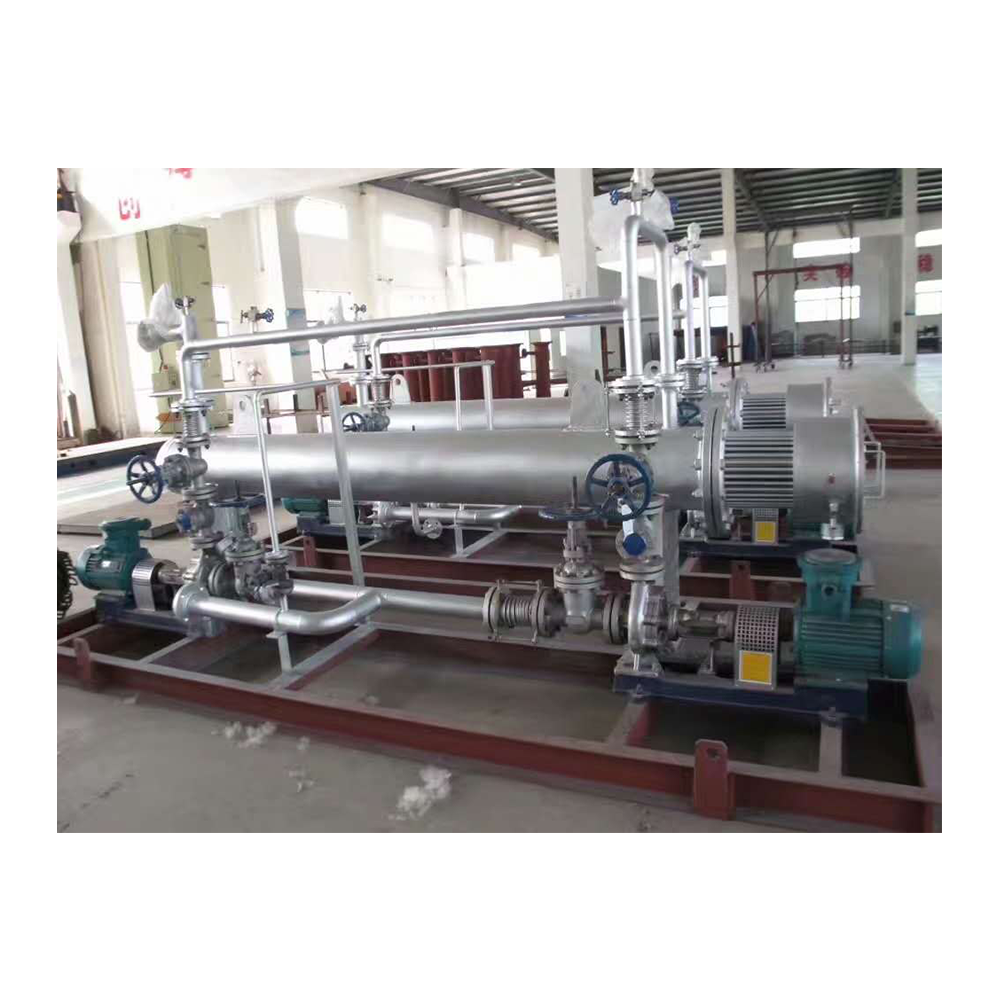
Where shutdown windows are limited, modular assemblies and pre-tested control panels can reduce field labor, rework, and schedule exposure.
Financial teams should request installation assumptions in writing rather than accepting a generic statement that the equipment is “easy to install.”
Quantify Reliability and Downtime as Financial Exposure
Reliability should be evaluated as a financial variable because an unplanned heater outage may interrupt a larger process, utility, or safety function.
Determine whether heating loss would slow production, damage material quality, cause line blockage, create freezing risk, or prevent compliant process conditions.
Assign a realistic hourly cost to each consequence. Include lost contribution margin, labor disruption, restart energy, disposal, and downstream delivery penalties.
Then estimate the probability of failure using duty severity, operating temperature, process chemistry, maintenance accessibility, and the supplier’s demonstrated application experience.
This does not require false precision. Even a reasonable high, medium, and low-risk model improves comparison quality between alternatives.
Redundancy can be justified when downtime consequences are substantial. Multiple independently controlled heater banks may cost more initially but reduce operational exposure.
Critical applications should also include spare-element strategy, spare control components, documented replacement procedures, and realistic supplier response commitments.
For financial approval, the key question is whether incremental reliability spending prevents a level of expected loss that exceeds its added capital cost.
Include Hazardous-Area Compliance in the Business Case
In oil production, chemical processing, pharmaceuticals, metallurgy, and power generation, heater selection can be constrained by explosive atmospheres and site safety rules.
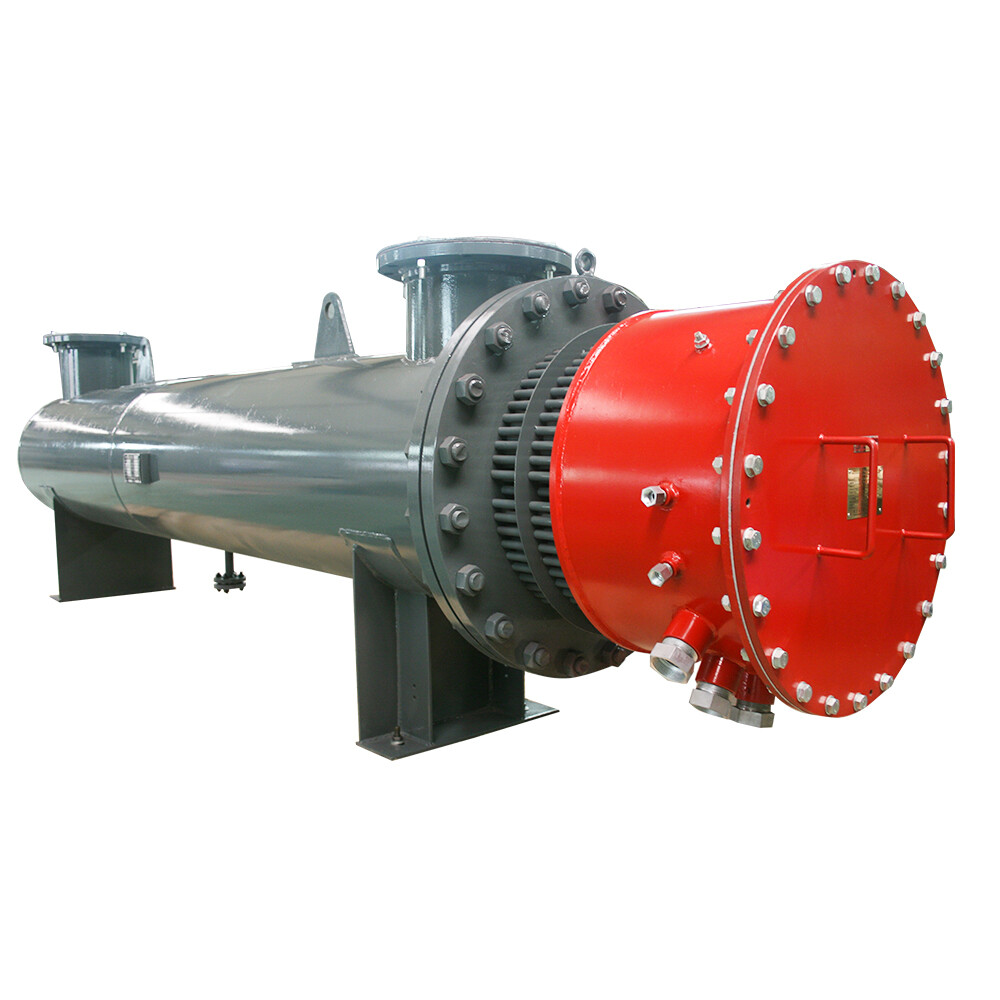
Explosion-proof equipment should never be evaluated as an optional premium when the area classification requires certified construction and documented protection methods.
Compliance costs may include certified enclosures, temperature-limit devices, wiring methods, inspection records, traceability, and engineering review of surface temperatures.
Failure to include these requirements early can cause expensive redesign, procurement delays, rejected installation work, and additional project-management effort.
Approvers should confirm the applicable zone or division, gas group, temperature class, ingress protection, ambient rating, and local certification expectations.
They should also ask how the heater design prevents excessive sheath temperature during low flow, blocked flow, process upset, or control-system malfunction.
Independent high-limit protection, appropriate sensor placement, and fail-safe shutdown logic reduce both safety exposure and the chance of costly equipment damage.
Jiangsu Weineng Electric Co., Ltd. designs and manufactures customized explosion-proof electric heating solutions for demanding industrial environments where these questions matter.
Assess Service Life Through Design Conditions
Expected service life is not determined by a catalogue promise alone. It depends on whether the heater materials and watt density suit actual process conditions.
High watt density can reduce equipment size, but it may accelerate element stress when media flow is poor, temperature is elevated, or deposits form.
Material compatibility must be reviewed against process composition, moisture, corrosive compounds, cleaning chemicals, pressure cycles, and possible contamination events.
For gas heating, airflow distribution is especially important. Uneven velocity can create localized overheating even when the average system temperature appears acceptable.
For liquid heating, scaling, viscosity changes, dry-out risks, and circulation failures should be considered in the design and maintenance plan.
A lower-risk design may have higher initial cost, yet deliver longer element life, fewer shutdowns, and reduced replacement labor across the project horizon.
Request documented assumptions for sheath material, element loading, operating temperature, control setpoints, and expected inspection intervals before comparing lifetime estimates.
Financial models should use conservative replacement assumptions when process conditions are uncertain, particularly for new production lines without stable operating history.
Match the Heater Type to the Process and Budget
Equipment selection should follow the heating duty rather than habit. Different heater constructions create different energy, maintenance, installation, and reliability profiles.
For example, heating circulating air and non-aggressive gases may call for a Finned tubular heater arrangement.
Fins increase external surface area, improving heat transfer to air or gas while enabling practical heater sizing for ducted and recirculating applications.
However, the financial review should still examine airflow quality, dust loading, access for cleaning, control response, and protection against low-flow overheating.
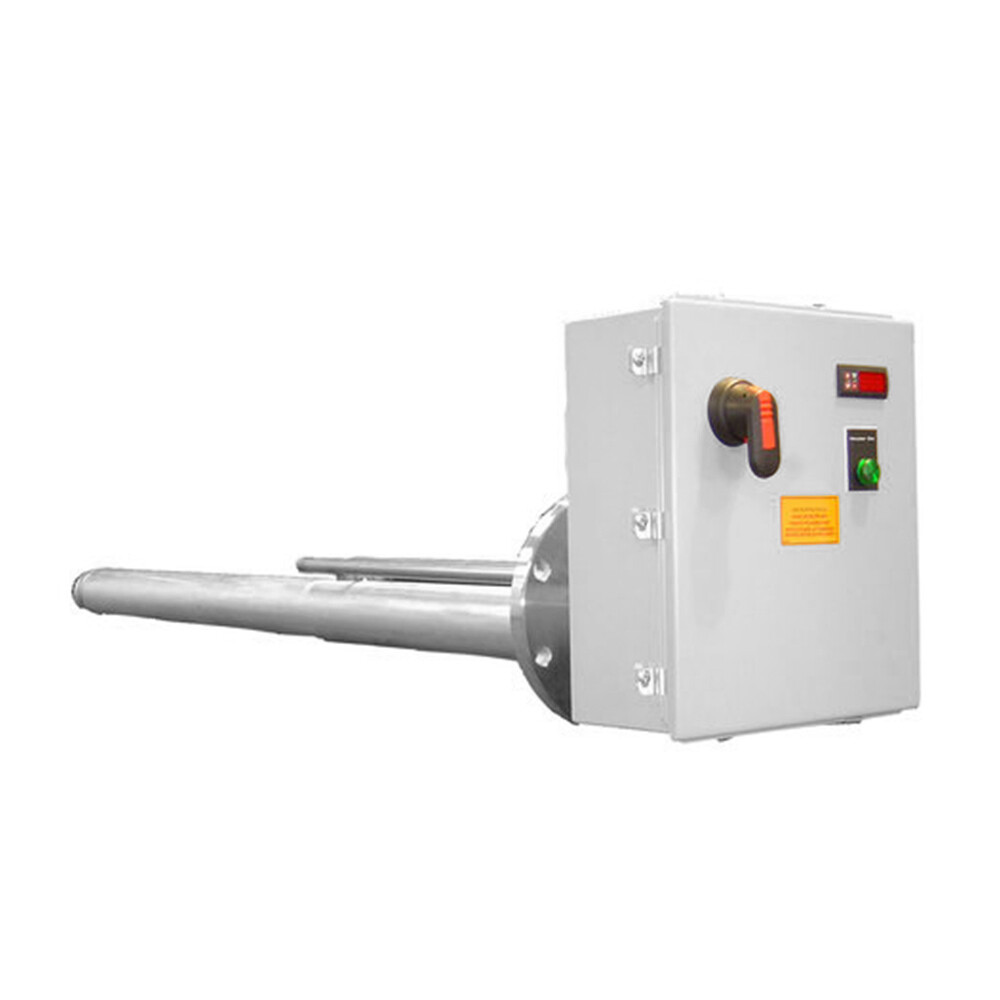
Immersion heaters may be suitable for tanks, vessels, and circulation systems, while flange heaters can simplify serviceability in pressurized process equipment.
Each alternative should be compared using the same process duty, utility assumptions, installation scope, expected maintenance hours, and calculated downtime exposure.
A supplier proposal is most credible when it explains why a specific construction fits the medium, operating environment, hazardous classification, and maintenance strategy.
Build a Lifecycle Cost Model That Management Can Approve
A practical model does not need to be complicated, but it should make assumptions visible and allow management to test reasonable sensitivity scenarios.
Use a project horizon consistent with the plant expansion investment case, commonly five, ten, or fifteen years depending on asset strategy.
List year-zero capital costs separately from annual operating costs. This distinction prevents equipment quotations from obscuring infrastructure and installation requirements.
Include electricity cost projections, planned maintenance, spare parts, inspection labor, expected replacements, compliance expenses, and a quantified downtime allowance.
Discount future costs using the organization’s standard capital methodology, whether net present value, annualized cost, or a required return threshold.
Electricity price should be tested at multiple levels because tariff volatility can materially affect the economics of continuously operated heating loads.
Also test utilization. A system designed for maximum expansion capacity may have weak economics if the initial production ramp remains below forecast for several years.
Present the base case alongside downside scenarios, such as higher electricity pricing, reduced runtime, delayed startup, or more frequent element replacement.
This approach helps decision makers distinguish between a genuinely robust proposal and one that only appears attractive under optimistic assumptions.
Questions Financial Approvers Should Ask Suppliers
Request the detailed thermal calculation and confirm that it reflects the actual process conditions rather than a generic nameplate selection.
Ask for the installed electrical load, expected average operating load, control method, and any required transformer, switchgear, or feeder upgrades.
Require a clear statement of hazardous-area suitability, certifications, temperature protection approach, and responsibilities for final site compliance verification.
Ask which components are expected to require replacement, when they are likely to fail, and how much field labor is needed for service.
Review warranty scope carefully. A long warranty has limited financial value if exclusions remove coverage for common duty conditions or installation environments.
Confirm lead times for critical spares, local or remote commissioning support, documentation quality, and response arrangements during operational emergencies.
Where possible, request relevant project references from comparable industries, temperatures, media, area classifications, and operating duty cycles.
These questions shift the discussion from unit price toward evidence-based ownership cost and reduce the risk of approving an incomplete solution.
Make Approval Decisions on Risk-Adjusted Value
The right Industrial Electric Heater for a plant expansion project is the one that meets process duty safely while producing predictable lifecycle economics.
Lowest initial cost is appropriate only when it also satisfies energy, installation, compliance, serviceability, and reliability requirements under realistic operating conditions.
Financial approvers should insist on a documented lifecycle model, transparent engineering assumptions, and a risk assessment tied to production consequences.
That discipline supports better capital allocation, protects expansion schedules, and creates a stronger basis for comparing technically different supplier proposals.
In demanding industrial environments, a correctly specified heating solution can reduce avoidable operating expense while supporting safer, more dependable plant performance.
News list
- Understanding Industrial Electric Heaters: Operating Principles and Process UsesSep 15, 2026
- Selecting Industrial Electric Heater Wattage and Controls for Tank HeatingSep 15, 2026
- Reducing Energy Loss in Industrial Electric Heater Systems for Drying LinesSep 15, 2026
- Why Industrial Electric Heaters Overheat: Root Causes and Corrective ActionsSep 15, 2026
- Evaluating Industrial Electric Heater Lifecycle Cost for Plant Expansion ProjectsSep 15, 2026
- Electric Tubular Heaters Explained: Sheath Materials, Construction, and Heat TransferSep 15, 2026

Send us a message